Community-based child life therapy supporting children through medical and procedural experiences—beyond the hospital.
Beyond Hospital Child Life Therapy provides specialised, evidence-informed support to help children and families navigate medical care with reduced anxiety, increased understanding, and improved coping.
We work collaboratively with health professionals to ensure children receive holistic, child-centred care across hospital, community, and home settings.
Health Professionals
Health Professionals
Child Life Therapy in the Community
-
What is a Child Life Therapist (CLT)?
Allied health professionals specialising in child development who deliver evidence-based interventions to reduce stress and anxiety associated with healthcare experiences, while supporting children’s developmental, social, and emotional wellbeing.
They support children as they navigate medical procedures, illness, injury and hospitalisation — reducing fear, anxiety and trauma through developmentally informed, evidence‑based approaches.
CLTs help children:
Understand what is happening
Express emotions safely
Build coping skills
Feel more in control
-
Child Life Therapy in the Community
Child Life Therapists (CLTs) provide support before, during and after medical experiences — filling a gap often left by hospital‑based services.
Community CLTs can help with:
Preparing children for upcoming medical procedures
Managing medical anxiety and fear Processing past traumatic or distressing healthcare events
Supporting long‑term coping for chronic illness
Creating personalised resources for future healthcare encounters
Reframing negative medical experiences to improve cooperation
Why it matters:
Children who feel prepared and supported cope better, recover faster, and engage more confidently with healthcare.
-
How Child Life Therapists Work
CLTs use a child‑ and family‑centred, trauma‑informed approach.
Preparation & Coping Support:
Developmentally appropriate explanations
Individualised coping plans
Support before, during and after procedures
Therapeutic & Medical Play:
Non‑directive play for emotional expression
Directed medical play to explain and normalise procedures
Opportunities for mastery and control
Outcome:
Children feel safer, more confident, and better able to participate in their healthcare.
-
Who Do Child Life Therapists Support?
CLTs work with infants, children, young people and families experiencing:
Anxiety about medical procedures
Fear due to previous negative healthcare experiences
Difficulty understanding their condition or treatment
Emotional or behavioural changes linked to medical stress
Challenges coping with chronic illness
Distress during community‑based procedures (vaccinations, blood tests, imaging)
How Child Life Therapists Can Support Your Setting
-
For Medical Professionals
CLTs support children and young people who:
Experience anxiety, fear, or distress related to healthcare, including vaccinations, blood tests, imaging, and other medical procedures.
Avoid or delay medical appointments due to healthcare anxiety, needle phobia, or previous negative medical experiences.
Have difficulty taking prescribed medications (e.g. tablets, liquids, inhalers, or injections), affecting treatment adherence.
Have autism, ADHD, developmental differences, communication needs, or sensory sensitivities that impact their engagement with healthcare.
Have complex, chronic, or life-limiting medical conditions requiring ongoing treatment or repeated healthcare encounters.
Require diagnostic imaging (e.g. MRI, CT, or ultrasound) or invasive procedures.
Have experienced medical trauma, repeated procedures, or prolonged hospitalisation.
Struggle with treatment participation or compliance due to fear, sensory sensitivities, or limited understanding of medical care.
Show behavioural or emotional changes following illness, injury, or medical procedures (e.g. sleep disturbances, toileting regression, separation anxiety, or increased distress).
Have siblings who are affected by a child's illness, injury, or hospitalisation.
CLTs Provide:
Individualised preparation for healthcare appointments, medical procedures, hospital admissions, and diagnostic investigations.
Procedure-specific preparation (e.g. MRI without sedation, blood tests, injections, surgery, and imaging).
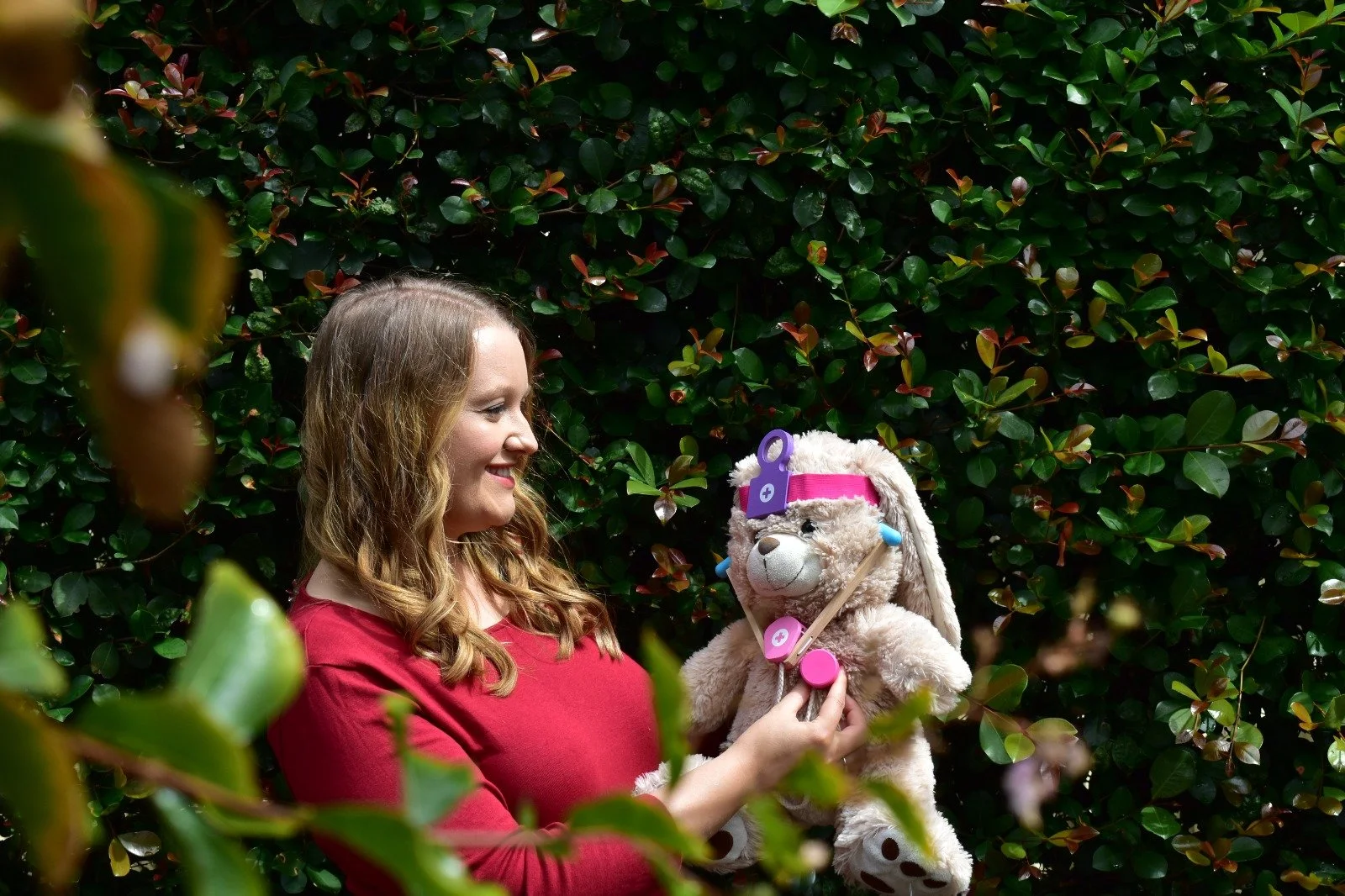
Developmentally appropriate education using therapeutic and medical play to increase understanding, reduce anxiety, and minimise medical trauma.
Individualised coping plans for repeated or complex treatments, incorporating evidence-based strategies such as distraction, positioning for comfort, relaxation, and choice-making.
Medication support programs, including graded tablet swallowing, desensitisation, sensory-informed approaches, and routines for tablets, liquids, and inhalers.
Practical strategies to improve treatment participation, medication adherence, and follow-up compliance.
Parent and caregiver coaching to support emotional regulation, reduce distress, and build confidence in managing healthcare at home.
Visual supports, social stories, and personalised resources to prepare children for future healthcare experiences.
Ongoing follow-up to reduce healthcare avoidance, strengthen coping skills, and promote positive healthcare experiences.
Collaboration with paediatricians, general practitioners, nurses, allied health professionals, educators, and hospital teams to provide coordinated, child and family-centred care.
Support for hospital admission, discharge planning, and transition back to home, school, and community settings.
How Child Life Therapists Can Support Your Setting
-
For Allied Health Professionals
(Psychologists, OTs, Speech Pathologists, Social Workers, Physiotherapists)
CLTs complement allied health by:
Supporting children with complex or chronic medical histories that impact engagement in therapy
Providing therapeutic play to process trauma
Preparing children for procedures that may impact therapy
Co‑creating coping plans for multidisciplinary care
-
For Community Clinics & Family Services
CLTs offer:
Preparation for procedures and hospital experiences
Targeted support for medical trauma and healthcare-related anxiety
Support and coping strategies for siblings and family members
Personalised resources for future healthcare encounters
-
For Schools
CLTs help students who:
Are preparing for or returning from hospitalisation
Show behavioural or emotional changes linked to medical stress
Need help understanding their health needs
Schools benefit from:
Reintegration support
Strategies for school‑based health procedures
Developmentally appropriate health education